

Picking the perfect wall panel can make a huge difference in how a room looks, feels, and works. It doesn't matter if you're fixing up a house, updating an office, designing a hotel, or making a commercial space look nice modern wall panels are a great way to make interior walls better without spending a lot of money or dealing with complicated renovation work. They're a simple way to give your space a fresh new look and make it more comfortable and functional. Plus, they can really change the whole atmosphere of a room, making it feel more modern and stylish. So, whether you're going for a sleek and modern look or something more classic and traditional, there's a wall panel out there to suit your taste and needs.
Nowadays, people who own homes and designers have a lot of choices when it comes to styles, materials, colors, and textures. They can pick from really fancy PVC marble sheets, decorative PVC wall panels, and designs that look like wood. There's something for almost every kind of interior design.
However, with so many choices available, how do you know which wall panel is right for your walls?
The answer depends on several factors, including the room where the panel will be installed, your preferred design, moisture exposure, durability requirements, installation method, maintenance needs, and budget. In this guide, we will explain the most important factors to consider so you can make a confident decision for your next interior project.
Why Are Wall Panels Popular for Modern Interiors?
Modern interior design is increasingly focused on materials that combine appearance with practicality. Traditional painting, wallpaper, tile, and natural stone can create beautiful results, but they may require more preparation, installation time, maintenance, or expense.
Wall panels provide another solution.
Modern panels can be used to create feature walls, accent walls, decorative backgrounds, reception areas, bedroom walls, living-room walls, bathroom surfaces, kitchen areas, office interiors, restaurants, retail stores, and hospitality spaces.
One of the biggest advantages is design flexibility. Panels are available in different patterns and finishes, allowing you to create anything from a minimalist appearance to a luxurious interior.
They can also give a breath of fresh air to an old room without needing to tear everything down and start from scratch.
When you're looking to give your home a quick makeover, picking the right wall panel can really make a big impact on how it looks and works.
What Should You Consider Before Choosing a Wall Panel?
Don't just focus on how a panel looks - make sure it's a good fit for your space and what you need it to do. A panel that's really pretty might not be the best choice if it can't handle the conditions in the room or if it's going to be a hassle to install. You want to think about what you need the panel to do and where it's going to go before you make a decision.
Start by asking a few basic questions: Where will the panel be installed? What style do you want? How much moisture will the wall be exposed to? How much maintenance are you willing to perform? What is your available budget? Will you install it yourself or hire a professional? How large is the wall?
Figuring out the answers to these questions can really help you make a smarter choice and not just pick something because of how it looks.
Choose the Right Panel Based on the Room
The first step in selecting a wall panel is considering the room where it will be installed. Different rooms have different requirements.
Wall Panels for Living Rooms
The living room is often one of the most visible areas of a home, so appearance is usually a major priority.
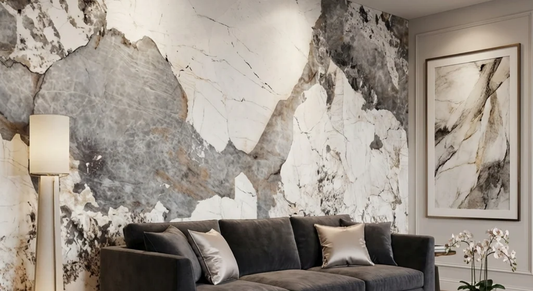
For living rooms, you can consider marble-look panels, wood-inspired panels, textured designs, or contemporary decorative panels. A large feature wall behind a television, sofa, or fireplace can become the main visual focal point of the room.
PVC marble sheets are a great choice if you want a classy look without the hassle. They come with patterns that resemble real marble, so you get the fancy appearance without the heavy weight and complicated installation that comes with actual stone. This makes them perfect for giving your space a sophisticated feel.
Neutral shades such as white, cream, beige, gray, and soft marble patterns can work well in modern living rooms. Darker designs can create a dramatic and luxurious atmosphere.
Wall Panels for Bedrooms
Bedrooms generally benefit from warm, calming, and comfortable designs.
Wood-look panels can create a natural appearance, while subtle textured panels can add visual interest without making the room feel overwhelming.
A common design approach is to install a decorative wall panel behind the bed. This creates an accent wall while keeping the remaining walls simple.
For a modern bedroom, consider panels that complement your furniture, flooring, curtains, lighting, and bedding.
Wall Panels for Bathrooms
Bathrooms require special attention because they experience moisture and humidity.
When thinking about using PVC wall panels in your bathroom, make sure to check if the specific product you've chosen is suitable for areas that get wet or are really humid. It's worth noting that different products can have different specifications, so it's a good idea to follow the installation guidelines provided by the manufacturer to get the best results. This way, you can ensure your panels will work well and last long in your bathroom.
Moisture-resistant panels can provide an alternative to traditional bathroom wall finishes. Marble-look PVC designs are particularly useful when you want a clean and luxurious bathroom appearance.
However, proper installation is essential. Joints, edges, corners, adhesives, and the underlying wall should be appropriately prepared to help prevent moisture-related problems.
Wall Panels for Kitchens
Kitchen walls may be exposed to moisture, food splashes, grease, and frequent cleaning.
For these areas, choose panels that are easy to clean and suitable for the environment. Smooth surfaces are often easier to wipe than heavily textured surfaces.
A marble-inspired panel can work well as a decorative kitchen wall or backsplash-style application where the product is specifically suitable for that purpose.
Always check heat and installation limitations before placing any PVC-based material close to high-temperature appliances.
Wall Panels for Offices
Office interiors typically benefit from clean, professional designs.
Neutral-colored PVC wall panels, subtle textures, and modern geometric patterns can create a polished environment without making the workspace feel too busy.
Wall panels can also be used in reception areas, conference rooms, hallways, waiting areas, and executive offices.
For commercial spaces, consistency is important. Choosing the same or complementary panel styles throughout different areas can create a stronger visual identity.
Understand Different Types of Wall Panels
Once you know where the panel will be installed, the next step is understanding the available styles and materials.
PVC Wall Panels
PVC wall panels are widely used for residential and commercial interiors because they are lightweight, versatile, and generally easy to maintain.
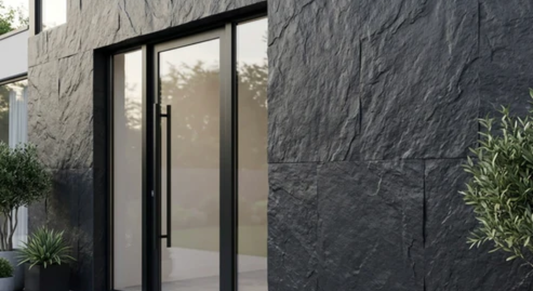
They are available in different colors, patterns, and finishes. Depending on the product, they can imitate materials such as marble, stone, wood, or other decorative surfaces.
PVC is especially attractive to customers who want a modern appearance without using heavy materials.
Before purchasing, check the product specifications for thickness, dimensions, moisture resistance, installation method, and recommended applications.
PVC Marble Sheets
If your goal is to create a luxurious appearance, PVC marble sheets can be an excellent option to consider.
These panels are made to look like marble, with special patterns on the surface that are either printed or decorative. You can use them to create a feature wall or for other interior design projects where they fit in. They're a great way to add some style to a room without having to use real marble.
One major attraction is the combination of decorative appearance and practical handling. Compared with natural marble, PVC marble-style products are generally much lighter.
This can make them easier to move and set up, depending on what you're working with and the condition of the wall.
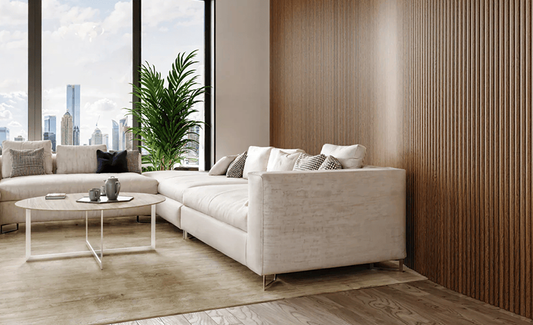
Wood-Look Wall Panels
Wood-inspired panels are suitable for people who want a warm and natural appearance.
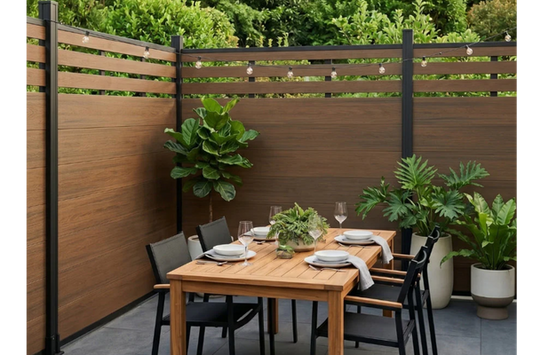
They can be really effective in all sorts of spaces, like bedrooms, living rooms, offices, and restaurants. You can also use them in reception areas or entertainment spaces, and they'll still work great.
Wood-look designs can complement contemporary, Scandinavian, rustic, industrial, and modern interiors.
Textured Decorative Panels
If you want to add depth to an interior, textured panels can be an interesting choice.
These panels may feature geometric shapes, grooves, lines, raised patterns, or other decorative effects.
They are often used as accent walls rather than throughout an entire property.
The right texture can add character to an otherwise simple room, but highly detailed patterns should be used carefully in small spaces.
Match the Wall Panel With Your Interior Style
Your panel should complement the existing design instead of competing with it.
If your room already contains bold furniture, colorful artwork, or patterned flooring, a simple panel may work better.
If the rest of the room is minimalist, a dramatic feature panel can become an attractive focal point.
Modern Interior
For modern interiors, consider clean lines, neutral colors, marble-inspired patterns, smooth finishes, and subtle textures.
Luxury Interior
For a luxury appearance, marble-look wall panels, dark colors, metallic accents, and sophisticated patterns can create an upscale atmosphere.
Minimalist Interior
Simple colors and textures are key to making a minimalist space look great. Using white, beige, or gray can keep things looking clean and tidy. You can also add some light wood-inspired panels to give it a bit of warmth without overdoing it. This way, you can create a calm and peaceful atmosphere that's perfect for a minimalist space.
Rustic Interior
Wood-look panels can add warmth and character to rustic interiors. They can be paired with natural furniture, warm lighting, and earthy colors.
Commercial Interior
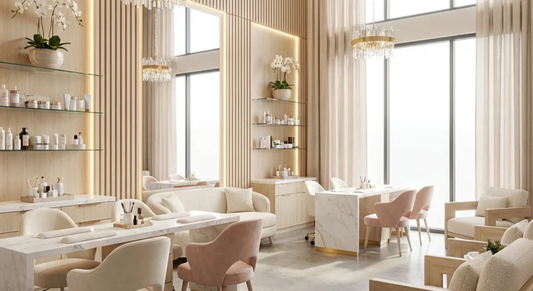
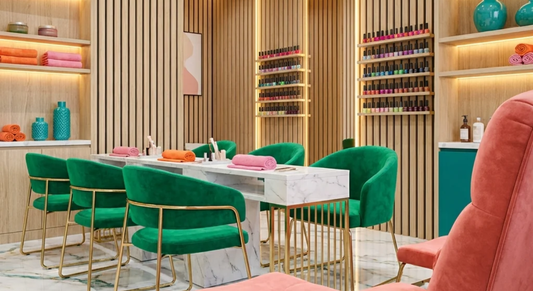
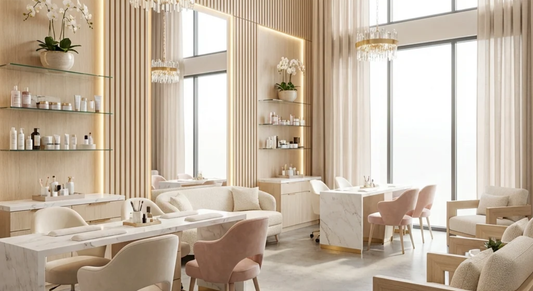
Businesses should consider panels that reflect their brand identity. Offices, hotels, restaurants, salons, retail stores, and showrooms can use decorative panels to create a consistent customer experience.
 |

|
 |
Consider the Color Carefully
Color is one of the most important decisions when choosing a wall panel.
Light-colored panels can make a small room feel brighter and more open. Dark panels can create depth and drama but may make a small room feel more enclosed.
White marble-style panels are popular for bright, clean interiors. Gray marble can provide a contemporary appearance, while beige and cream tones can create a warmer atmosphere.
Before choosing a color, consider your flooring, furniture, ceiling, lighting, curtains, cabinetry, and decorative accessories.
The goal should be coordination rather than exact color matching.
Think About Natural and Artificial Lighting
Lighting can dramatically change how a wall panel looks.
A panel that looks attractive in a showroom may appear different under your home's lighting.
Natural sunlight can make certain colors appear brighter, while warm artificial lighting can make beige, cream, and brown tones appear warmer.
Glossy panels may reflect more light, while matte or textured finishes may produce a softer appearance.
If possible, examine a product sample in the actual room before purchasing a large quantity.
When you're picking out a marble-look design, it's really important to think about how the pattern, color variation, and surface finish will all work together to create the overall look. These things can make a big difference in how it turns out.
Check Panel Size and Wall Dimensions
Panel size is another important consideration.
Large panels can cover more area with fewer joints, which can create a cleaner visual appearance. Smaller panels may offer greater flexibility for detailed layouts.
Before ordering, carefully measure the wall.
Measure the width, height, doors, windows, electrical outlets, and corners.
You should also account for cutting and installation requirements.
For instance, a typical 4 × 8 ft panel will cover around 32 square feet, but that's before you factor in the cuts and any waste from installation.
Accurate measurements can help you estimate how many panels you need and reduce unnecessary material waste.
Consider Installation Requirements
Different wall panels have different installation methods.
Some things you buy might need glue to work, while others need extra help or special setup.
The existing wall should be evaluated before installation.
A wall that is uneven, damp, damaged, dusty, or structurally unsuitable may need preparation before panels are installed.
Following the manufacturer's installation instructions is essential.
If you are unfamiliar with panel installation, hiring an experienced professional can help achieve better alignment, cleaner joints, and a more finished appearance.
Don't Ignore the Condition of Your Existing Wall
A common mistake is assuming that a panel will automatically hide every wall problem.
Although certain panels can cover minor surface imperfections, serious moisture damage, structural problems, loose plaster, mold, or severely uneven surfaces should be addressed first.
Installing a decorative covering over an underlying problem may not solve the issue.
Before installation, inspect the wall and make sure it is suitable for the selected product.
Think About Maintenance
One reason many homeowners choose modern wall panels is easy maintenance.
However, maintenance requirements vary between products.
Smooth PVC surfaces are usually easy to clean and are generally easier to wipe down compared with materials that have a lot of texture.
When it comes to cleaning, it's best to follow the manufacturer's recommendations. Don't use harsh chemicals or rough tools unless the instructions clearly say it's okay. This will help maintain the appearance of the panels and prevent unnecessary damage.
Regular dusting and gentle cleaning can help maintain the appearance of many interior panels.
For commercial spaces, consider maintenance requirements even more carefully because walls may experience greater traffic and more frequent cleaning.
Consider Durability
Just because a wall panel looks good, it doesn't mean it's the best choice for your specific needs. You also need to consider how and where it will be used.
Think about how much wear the wall will receive.
A bedroom wall may experience very little contact, while a restaurant hallway, retail environment, or busy commercial space may experience significantly more.
Check product specifications for information about durability, moisture resistance, recommended applications, cleaning, and installation.
Do not assume that every PVC panel has identical performance characteristics.
Set a Realistic Budget
When it comes to choosing a wall panel, the cost is a big consideration, but the cheapest option is not always the best value. Sometimes, a slightly higher-quality product can provide better long-term value because of its installation, maintenance, appearance, and suitability for the project.
Consider the complete project cost, including the panel price, adhesive or installation materials, labor, wall preparation, cutting, transportation, and potential waste.
A product that is better suited to your needs may be a better choice overall, especially if it is easier to install, maintain, and use for your specific application.
Should You Cover One Wall or the Entire Room?
You do not always need to install panels on every wall.
A single accent wall can create a significant visual impact while keeping the project cost lower.
For example, you might install a marble-look wall panel behind a television and leave the other walls painted.
You can also use decorative panels in a reception area to create an attractive focal point while keeping the workspaces simple. This approach can provide a good balance between style and simplicity in an office.
Full-wall installation can create a strong visual effect, but it should be planned carefully to avoid making the room feel too busy.
How Can You Create a Feature Wall?
A feature wall is one of the easiest ways to use decorative panels creatively.
Choose one prominent wall and make it the focal point.
Popular locations include behind a television, behind a bed, behind a reception desk, behind a sofa, inside a dining area, and behind a retail display.
A contrasting panel can immediately draw attention to the area.
A room with a plain style can be made to look more sophisticated with a wall that has a marble design, creating an attractive centerpiece.
Consider Combining Different Wall Panels
You do not necessarily have to use one panel style throughout the entire interior.
Different materials or patterns can be combined carefully.
For example, a modern home could combine marble-look panels with wood-inspired designs.
However, combinations should have a clear design relationship. Too many unrelated patterns can make the room appear cluttered.
A good approach is to choose one dominant finish and one complementary finish.
What Mistakes Should You Avoid?
Choosing wall panels becomes much easier when you know what mistakes to avoid.
Choosing Only Based on Appearance
A panel may look beautiful but may not be suitable for your room. Always consider moisture, maintenance, installation, and product specifications.
Ignoring Measurements
Ordering panels without measuring the walls can lead to unnecessary waste or insufficient materials.
Choosing Too Many Patterns
Multiple strong patterns can overwhelm an interior. If you select a dramatic panel, consider keeping other design elements relatively simple.
Ignoring Lighting
Always consider how the panel will look in both natural and artificial light.
Skipping Wall Preparation
A poor underlying surface can make installation more difficult and affect the finished appearance.
Assuming Every PVC Panel Is Waterproof
Not every PVC product has identical specifications. Always verify whether the specific product is designed for your intended application.
Forgetting About Installation
Choosing the right panel is only part of the process. Proper installation can have a significant impact on the appearance, performance, and longevity of the finished wall.
How Do You Choose the Right Wall Panel for a Small Room?
For small rooms, lighter colors and simpler designs are often a safe choice.
White, cream, light gray, and soft beige can help create a brighter appearance.
Large-format panels may also reduce the visual interruption caused by multiple seams.
For a bold look, try using a statement design on just one wall, instead of covering the whole room. This way, you can add some drama to the space without overwhelming it.
The way a room feels in terms of space can also be affected by mirrored or glossy effects, but ultimately, the decision to use them should be based on the overall look and lighting of the room.
How Do You Choose Wall Panels for Large Rooms?
Large rooms provide more opportunities for creative designs.
You can use bold marble patterns, darker colors, textured panels, or large feature walls.
However, large spaces can sometimes feel empty if all surfaces are plain.
Decorative PVC wall panels can add visual structure without requiring major architectural changes.
For large commercial spaces, consistent panel designs can also help create a professional and recognizable interior.
Why Choose Wall Panels Hub?
When it comes to renovating a space, picking the right materials is crucial. That's where Wall Panels Hub comes in. They offer sleek and modern solutions for covering walls, making them suitable for homeowners, contractors, designers, and business owners looking to give their interiors a fresh new appearance.
Whether you are interested in PVC marble sheets, decorative PVC wall panels, wood-inspired designs, or other contemporary wall solutions, selecting a panel based on the room, style, installation requirements, and maintenance needs can help you achieve better results.
Explore Wall Panels Hub
The goal is not simply to choose the most attractive panel. The best choice is the one that combines design, functionality, durability, maintenance, installation, and value for your specific project.
Final Thoughts
So, how do you choose the right wall panel for your walls?
Start by identifying the room and understanding how the wall will be used. Then consider the material, design, color, size, moisture exposure, lighting, installation requirements, maintenance, durability, and overall budget.
For living rooms and bedrooms, focus strongly on appearance and comfort. For bathrooms and kitchens, pay closer attention to moisture resistance and cleaning requirements. For offices and commercial spaces, consider durability, professional appearance, and design consistency.
PVC wall panels and PVC marble sheets can be excellent options for people who want modern decorative finishes with practical benefits, but always check the specifications of the exact product before installation.
By choosing the right wall panel, you can transform a plain wall into a stunning feature that gives your entire space a fresh, modern appearance. With a little planning, the perfect panel can make all the difference, adding a stylish touch to your interior and creating a beautiful focal point that draws attention.
Tags:
Previous
How to Choose the Best Exterior Cladding Panels for Your Home
Next
Best Blue-Brown Marble PVC Wall Panel Ideas for Living Rooms, Kitchens, and Bathrooms